

SEO tools make this process easier and more effective. They help website owners and marketers research keywords, check website health, track rankings, analyze competitors, and fix technical issues. With the right SEO tools, you can understand how your website is performing and make better decisions to improve traffic and user experience.
In today’s digital world, having a website is not enough. To reach more people online, your website must appear on search engines like Google. This is where SEO (Search Engine Optimization) plays an important role. SEO helps improve your website’s visibility, performance, and search rankings so users can easily find your content.
As we move into 2026, SEO tools have become smarter, faster, and more advanced. Many tools now use AI, detailed data insights, and automation to help users achieve better results with less effort. In this blog, we will explain how SEO tools help improve website performance and introduce the best SEO tools in 2026 that can help you grow your online presence and rank higher in search results.
What is an SEO tool?
An SEO tool is a software application designed to help website owners, marketers, and businesses improve their website’s visibility and rankings on search engines like Google. These tools provide valuable data and insights for tasks such as keyword research, on-page and technical SEO audits, content optimization, backlink analysis, and competitor research. Many SEO tools also offer automation features to save time and make complex processes easier. By using SEO tools, you can identify opportunities, fix issues, track performance, and create strategies that drive more organic traffic, improve user experience, and grow your online presence.
List of SEO Tools
- Semrush
- Ahrefs
- Moz
- Ubersuggest
- Google Keyword Planner
- Google Trends
- Surfer
- Google Search Console
- AnswerThePublic
- Nightwatch
- Screaming Frog
- Google Analytics 4
- Yoast SEO
- ChatGPT
1. Semrush
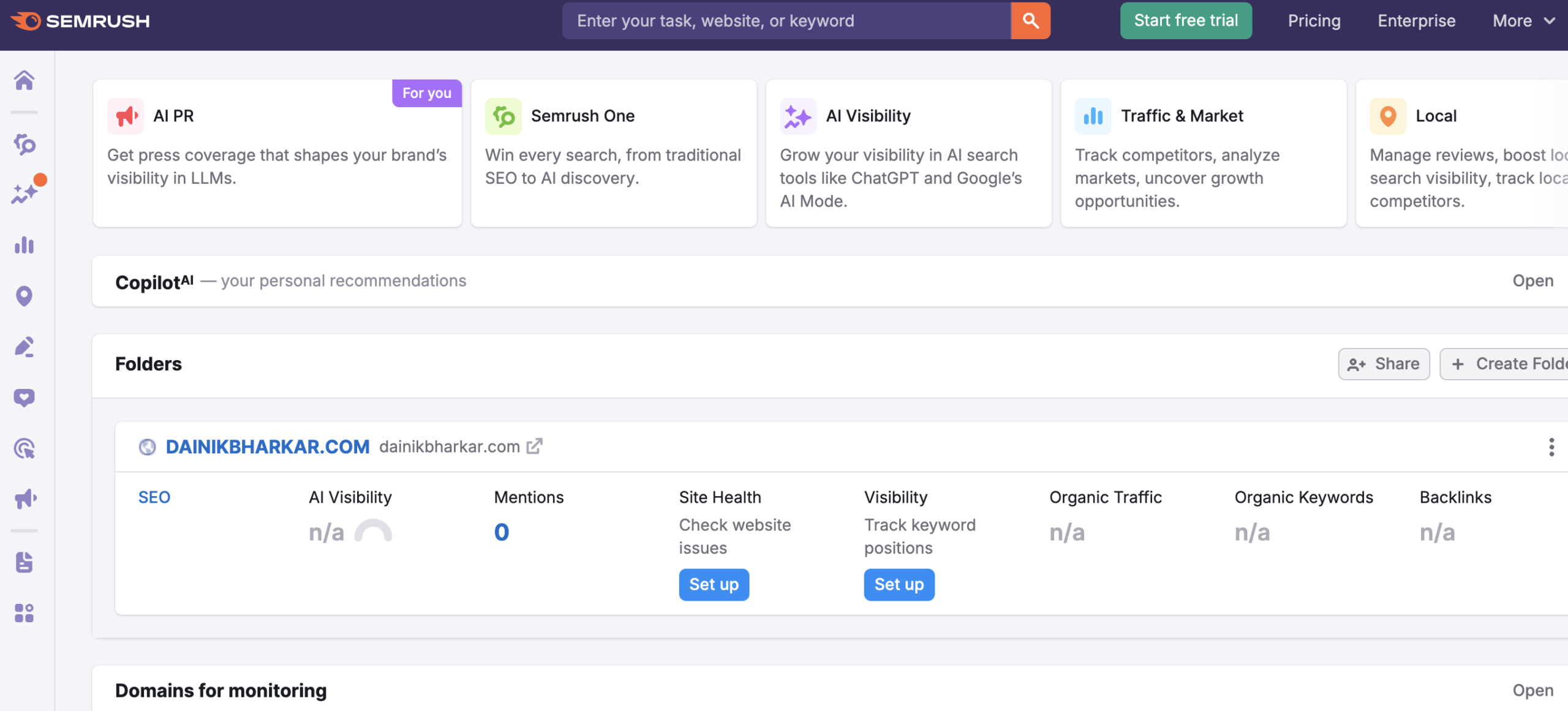
Semrush is one of the most popular all-in-one SEO tools used by digital marketers, website owners, and agencies. It helps improve website visibility by providing accurate data and actionable insights across multiple SEO areas.
- Keyword Research:
Semrush helps find high-search, low-competition keywords, keyword difficulty, search volume, and related keyword ideas to target the right audience. - Traffic Analysis:
With Semrush, you can analyze website traffic, understand where visitors come from, and compare your traffic with competitors to improve your marketing strategy. - Backlink Analysis:
The tool allows you to check backlinks, referring domains, anchor text, and link quality. It also helps identify toxic links and discover new link-building opportunities. - SEO Audit:
Semrush performs a complete website audit to find technical SEO issues such as broken links, crawl errors, slow pages, missing meta tags, and mobile usability problems. - Topic Research:
Semrush helps generate content ideas by showing trending topics, popular questions, and headline ideas based on user search behavior, making content planning easier and more effective.
2. Ahrefs
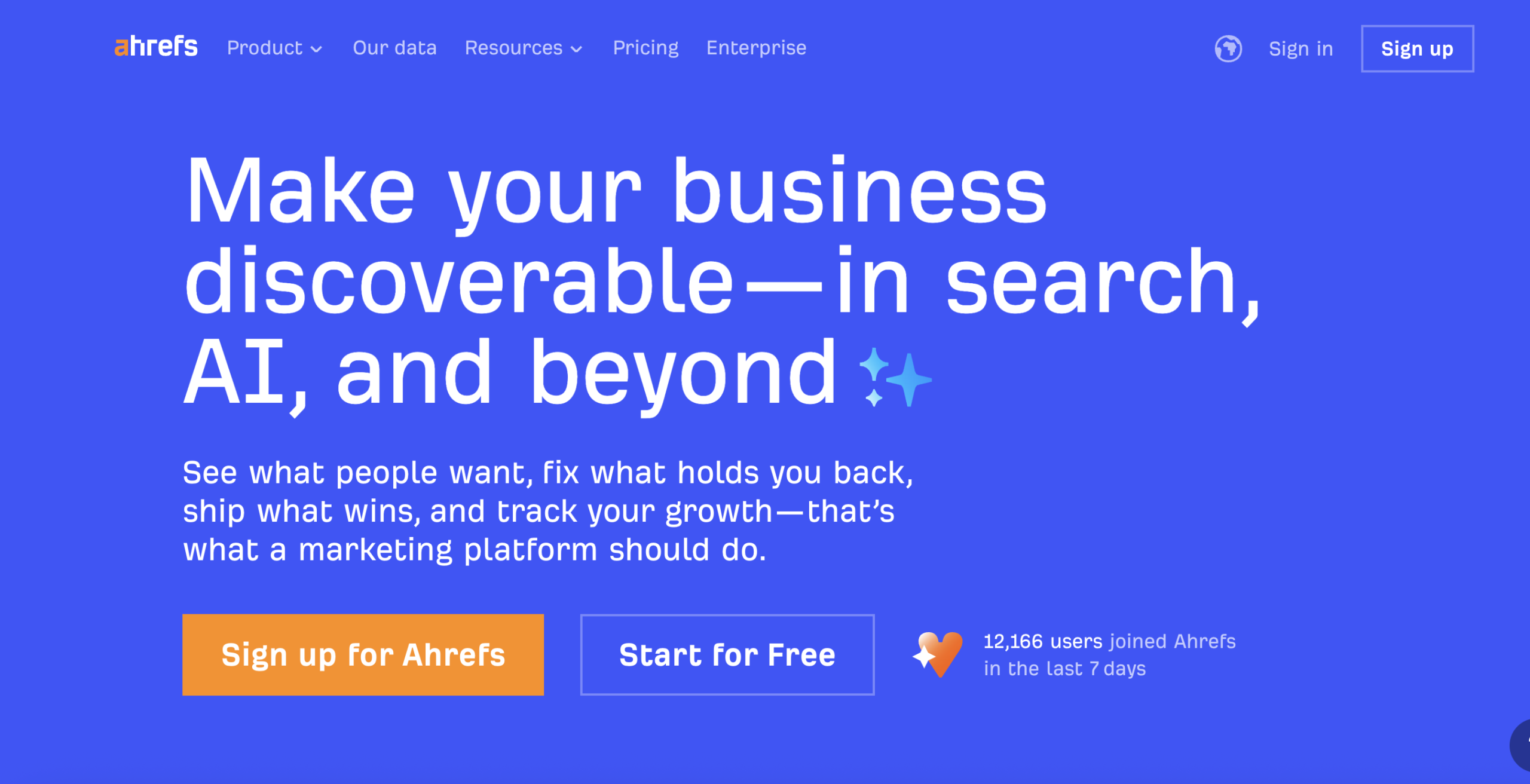
Ahrefs is a powerful SEO tool widely used for in-depth SEO analysis and competitor research. It helps website owners and marketers understand search performance and improve rankings with reliable data.
- Ahrefs Toolbar (Free):
The Ahrefs SEO Toolbar is free and provides detailed SEO insights directly in your browser. You can quickly check page SEO metrics, backlinks, and keyword data without leaving the page you are visiting. - Global SEO Research (No VPN Needed):
Ahrefs allows you to research SEO data globally without using a VPN. You can easily switch between different regions and Google domains to analyze search results for specific countries. - Keyword Research:
Ahrefs helps discover profitable keywords by showing search volume, keyword difficulty, clicks, and related keyword ideas. - Website Traffic Analysis:
You can analyze organic traffic data for your website or competitors, including top-performing pages and traffic sources. - Backlink Analysis:
Ahrefs is well known for its backlink database. It helps track backlinks, referring domains, anchor text, and lost or new links. - Domain Authority:
Ahrefs uses Domain Rating (DR) to measure the overall strength of a website’s backlink profile, helping you evaluate site authority and compare domains.
Ahrefs is a reliable SEO tool for keyword research, traffic analysis, backlink tracking, and understanding domain authority across global markets.
3. Moz
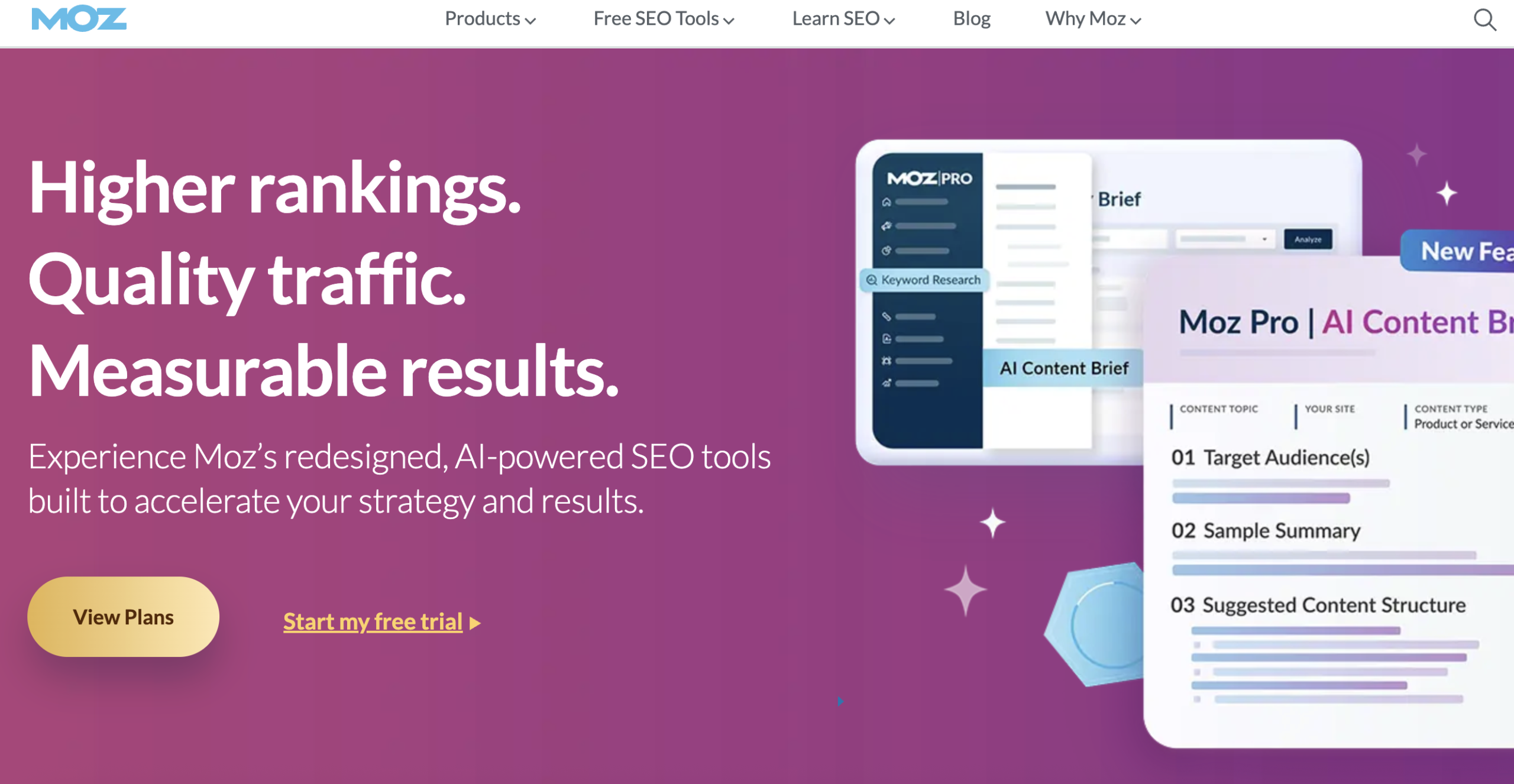
Moz Pro is a complete SEO solution designed to help websites rank higher in search results and attract qualified traffic. It provides easy-to-use tools that support keyword research, site audits, rank tracking, and link analysis. Moz Pro helps marketers plan and manage high-impact SEO campaigns by offering clear insights, reliable metrics, and actionable recommendations to improve overall website performance and search visibility.
4. Ubersuggest
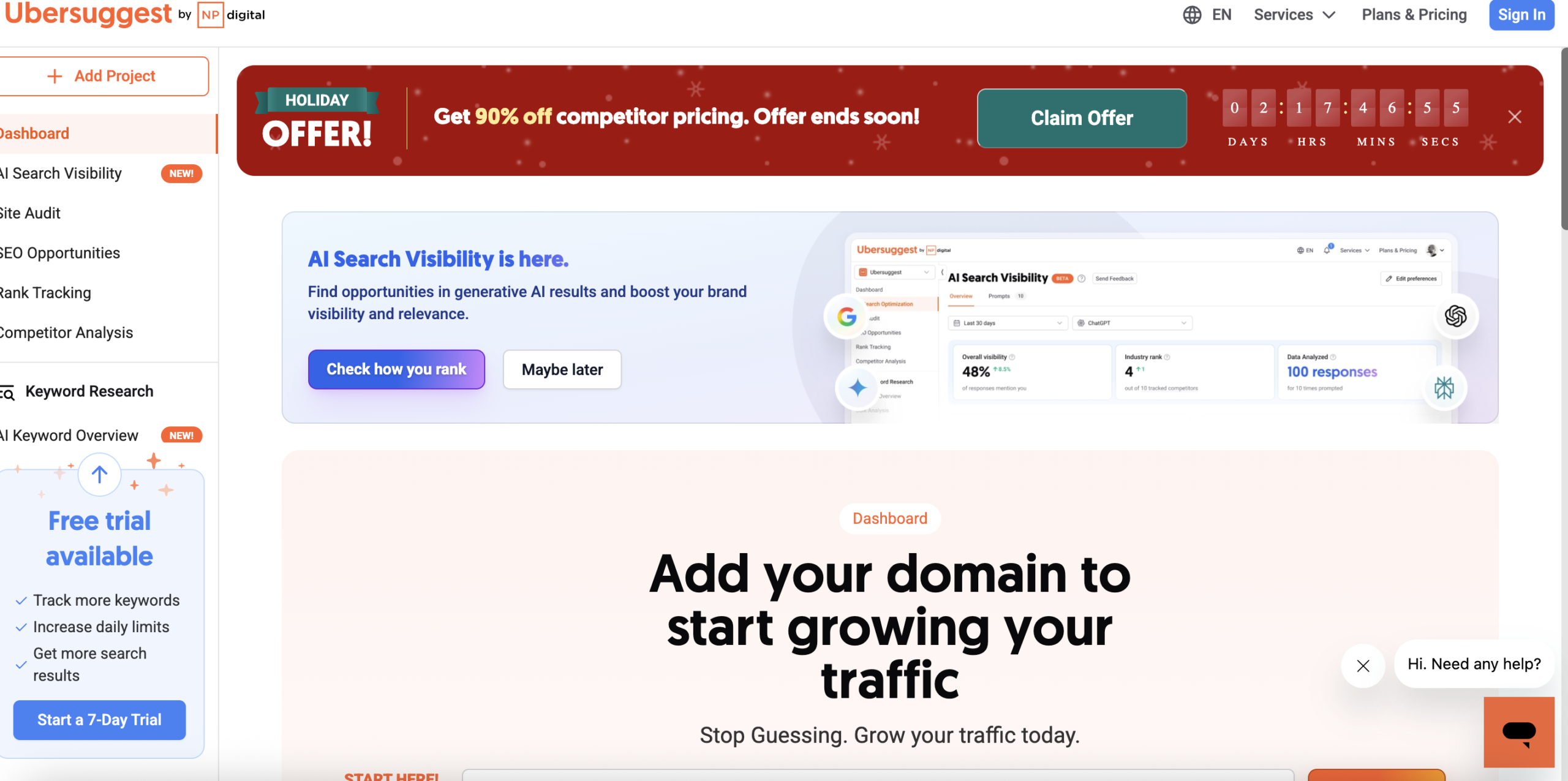
Ubersuggest is a simple SEO and keyword research tool that helps increase website traffic and improve search rankings. After signing up, users can easily find keyword ideas, check SEO performance, analyze content, and study competitors. It is a great tool for beginners and small businesses who want to improve their online visibility without complexity.
5. Google Keyword Planner
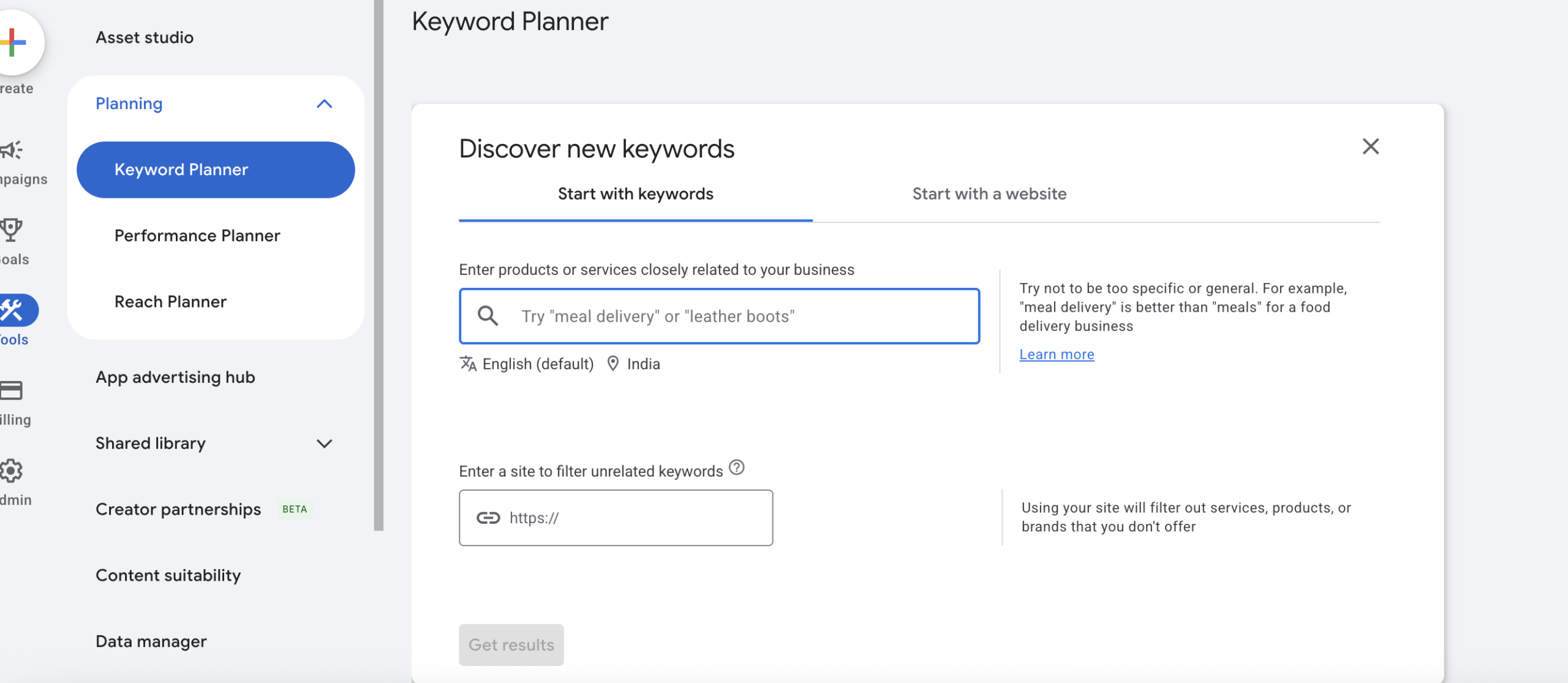
Google Keyword Planner is a free tool from Google that helps users find keywords for search campaigns. It allows you to create keyword lists, check search volume, and discover new keyword ideas using its built-in keyword generator. This tool is useful for planning SEO and Google Ads strategies.
6. Google Trends
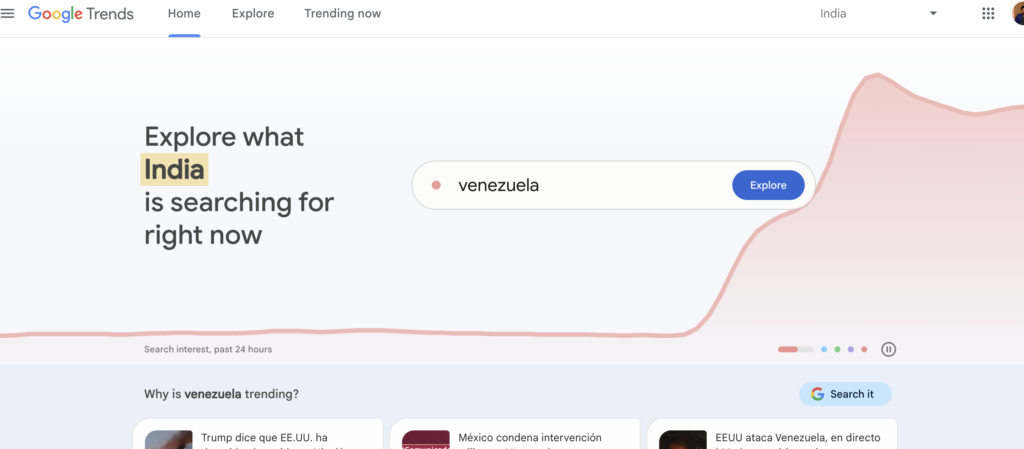
Google Trends shows what people are searching for on Google across the world. It helps users see trending topics in real time and understand search interest by location and time. Google Trends is widely used by newsrooms, charities, marketers, and content creators to discover what is popular right now and plan relevant content.
7. Surfer
Surfer is an SEO content tool that helps you research, audit, write, and optimize articles quickly. It allows users to create SEO-optimized content in about 20 minutes by providing data-driven suggestions. Surfer includes everything needed to build comprehensive, search-friendly content that ranks better on search engines.
8. Google Search Console
Google Search Console is a free tool from Google that helps you track your website’s search traffic and performance. It shows how your site appears in Google Search, helps identify and fix issues, and provides insights to improve visibility and rankings in search results.
9. AnswerThePublic
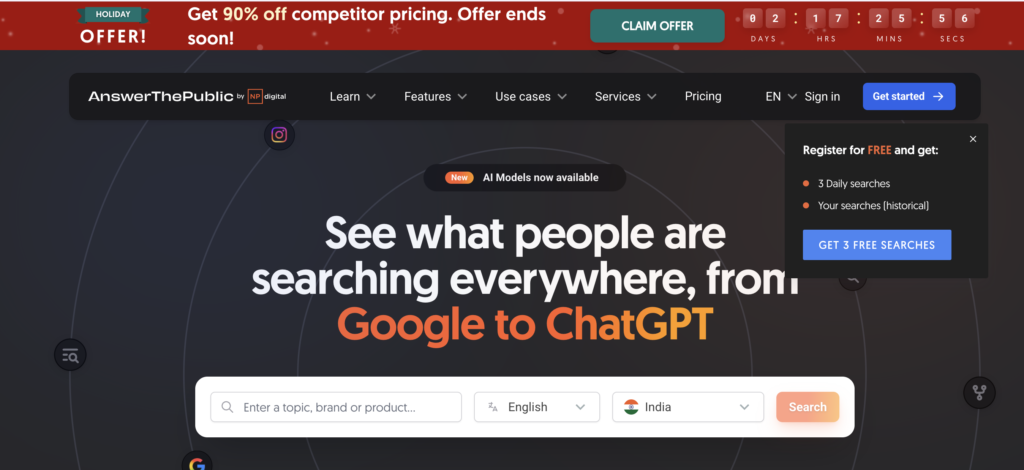
AnswerThePublic is a keyword and content research tool that uses search engine autocomplete data to show what people are searching for online. It displays popular questions, phrases, and comparisons related to a topic, helping marketers and content creators understand user intent and create relevant, search-friendly content that matches real audience needs and improves SEO performance.
10. Nightwatch
Nightwatch is an SEO rank tracking tool that lets you simulate Google search queries from any location. It helps you easily track your website’s keyword rankings and monitor competitors’ positions across different regions. With accurate location-based data, Nightwatch supports better SEO decisions and performance tracking.
11. Screaming Frog

Screaming Frog is a website crawling tool that helps improve onsite SEO by identifying common issues like broken links, duplicate content, missing meta tags, and slow pages. The free version allows you to crawl up to 500 URLs, making it useful for small websites, while the paid version offers advanced features for in-depth SEO audits.
12. Google Analytics 4 (GA4)
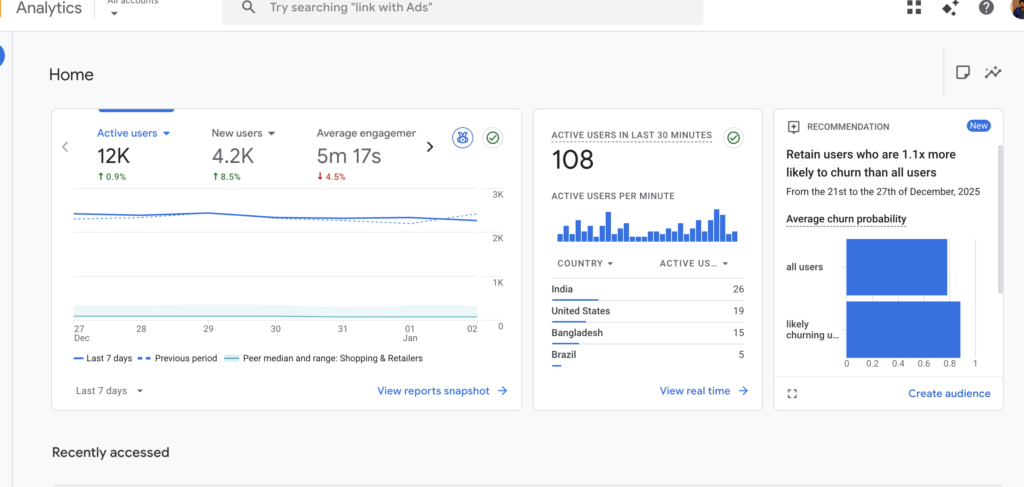
Google Analytics 4 (GA4) is Google’s latest analytics tool that helps you track how users interact with your website and apps. Unlike the old version, GA4 treats every action—like clicks, scrolls, or purchases—as an event. It gives clear insights into the customer journey, helps predict trends, and lets you track behavior across devices to make smarter decisions.
13. Yoast SEO
Yoast SEO is a popular WordPress plugin that helps optimize websites for search engines. It provides AI-powered suggestions for titles, meta descriptions, and content, improves readability, manages internal linking, and generates XML sitemaps. Yoast SEO makes it easier for beginners and businesses to boost search rankings and attract more visitors.
14. ChatGPT
ChatGPT can help with SEO in many ways. It can generate SEO-friendly content, suggest keywords, create meta titles and descriptions, write blog posts, and answer common user questions for FAQs. It also helps plan content strategies, improve readability, and optimize text to increase website traffic and search engine rankings.
Which SEO tool is best for beginners?
For beginners, Ubersuggest is one of the best SEO tools because it’s easy to use, affordable, and offers clear data for keyword research, traffic analysis, and competitor insights.
Other beginner‑friendly options include Google Keyword Planner, Google Trends, Google Search Console, and Yoast SEO, which are simple, often free, and great for learning SEO fundamentals
Some Free SEO Tools You Can Use to Improve Your Website Rankings and Boost Organic Traffic
-
Google Keyword Planner
-
Google Trends
-
Google Search Console
-
Google Analytics 4
-
Ubersuggest
-
AnswerThePu
Conclusion:
For beginners starting with SEO, choosing the right tool is essential to simplify the learning process and get results quickly. Tools like Ubersuggest, Google Keyword Planner, Google Trends, Google Search Console, and Yoast SEO are beginner-friendly, affordable, and easy to use. They provide the core features needed to research keywords, track performance, optimize content, and improve website visibility without overwhelming new users. Starting with these tools helps build a strong foundation in SEO and prepares you for more advanced tools as your skills grow.

